
Allandale, Austin, TX
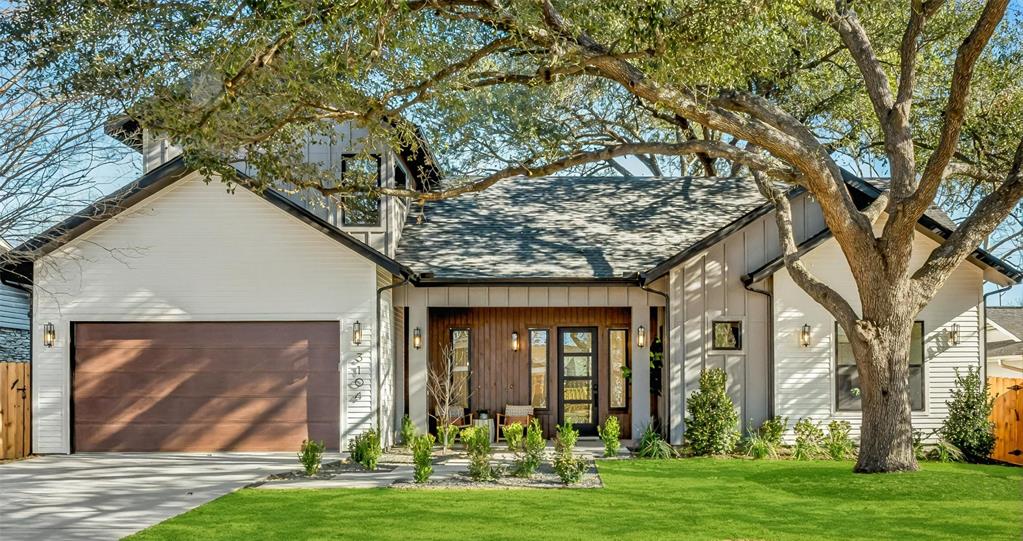
Allandale is one of Central Austin’s largest, most established neighborhoods, sitting between Burnet Road and MoPac in North Central Austin. Mature trees and generous lots line the streets, and homes range from original mid-century houses to thoughtful remodels and new construction. It’s the kind of place buyers come to when they want a central location with real history and character.
Allandale Neighborhood Overview
Allandale is a Central Austin neighborhood bounded roughly by West Anderson Lane to the north, 45th Street to the south, Burnet Road to the east, and MoPac Expressway (Loop 1) to the west. It’s one of the larger established neighborhoods in Central Austin, represented by the Allandale Neighborhood Association (ANA), which has been active since 1973 and covers an area of roughly 3,500 homes.
We’ve worked with buyers and sellers throughout Central Austin for more than 20 years, and Allandale comes up constantly with clients who want a central location, a real neighborhood feel, and homes with some age and character to them rather than new construction.
Where Allandale Is Located
Allandale sits in North Central Austin, roughly between Burnet Road and MoPac. It borders Northwest Hills to the west across MoPac, North Shoal Creek to the north across West Anderson Lane, Brentwood and Crestview to the east across Burnet Road, and Rosedale to the south across 45th Street. Shoal Creek itself runs through the neighborhood, and Shoal Creek Boulevard roughly bisects it north to south.
MoPac gives Allandale direct access north and south, and Burnet Road connects the neighborhood to US 183. That combination is a big part of why Allandale stays popular: you’re close to Downtown Austin, within a reasonable drive of The Domain, and not boxed in by a single route in or out.

Homes in Allandale: Three Types of Properties You’ll Find
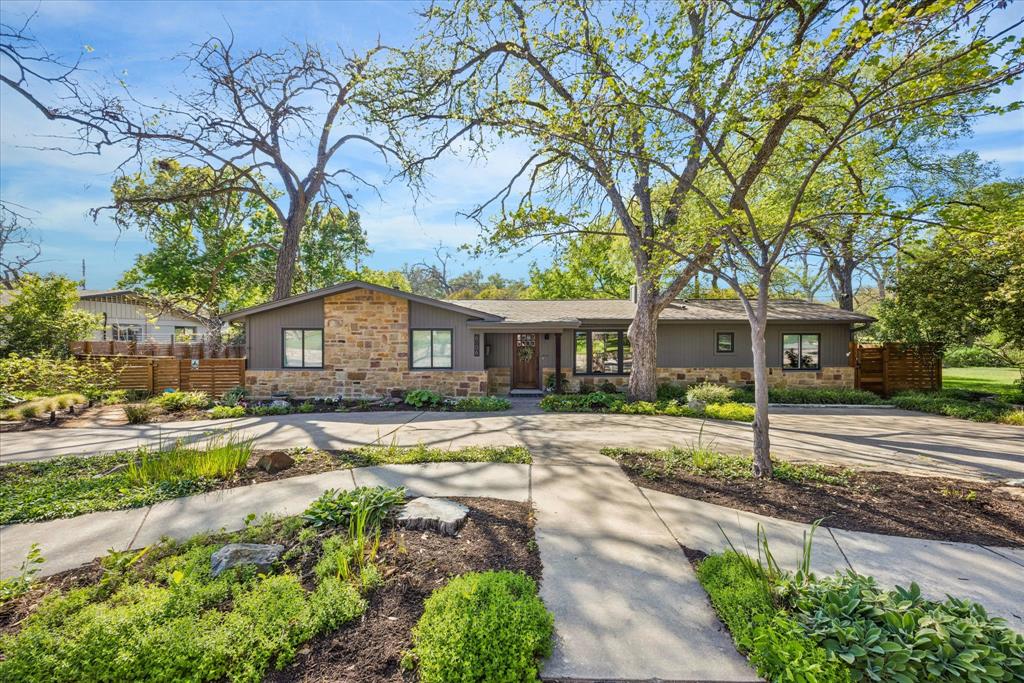
Because most of Allandale’s original housing stock dates to the late 1940s through the 1960s, and because the neighborhood has seen decades of remodeling and newer infill construction on its larger lots, you’ll generally run into three distinct types of homes here. Knowing which type you’re looking at matters for price, condition, and what kind of work, if any, you’re taking on.
Original Allandale Homes
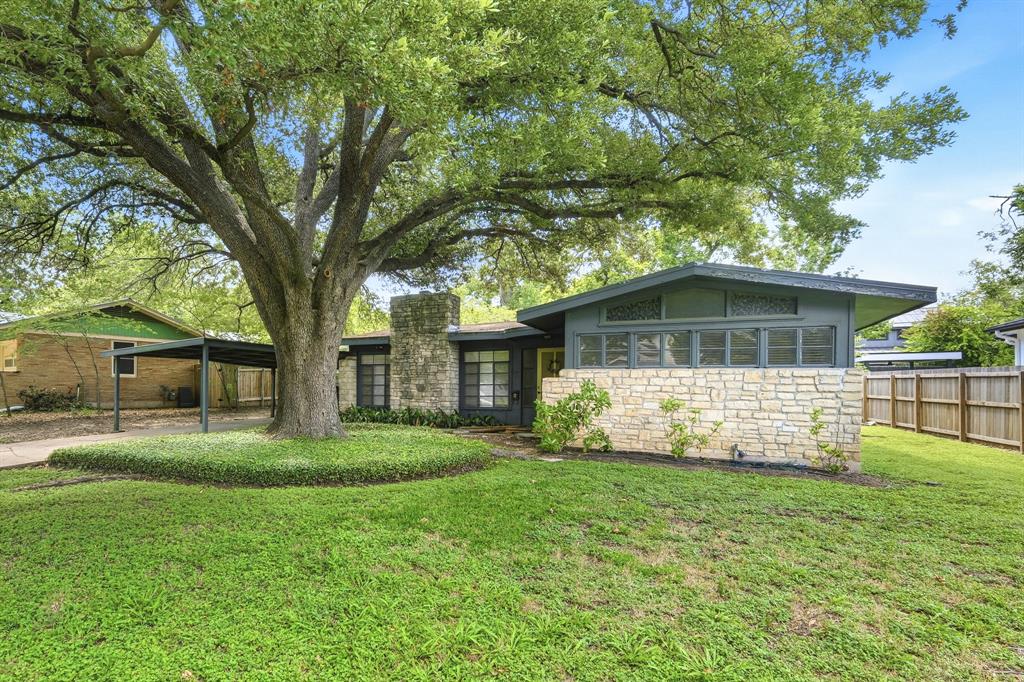
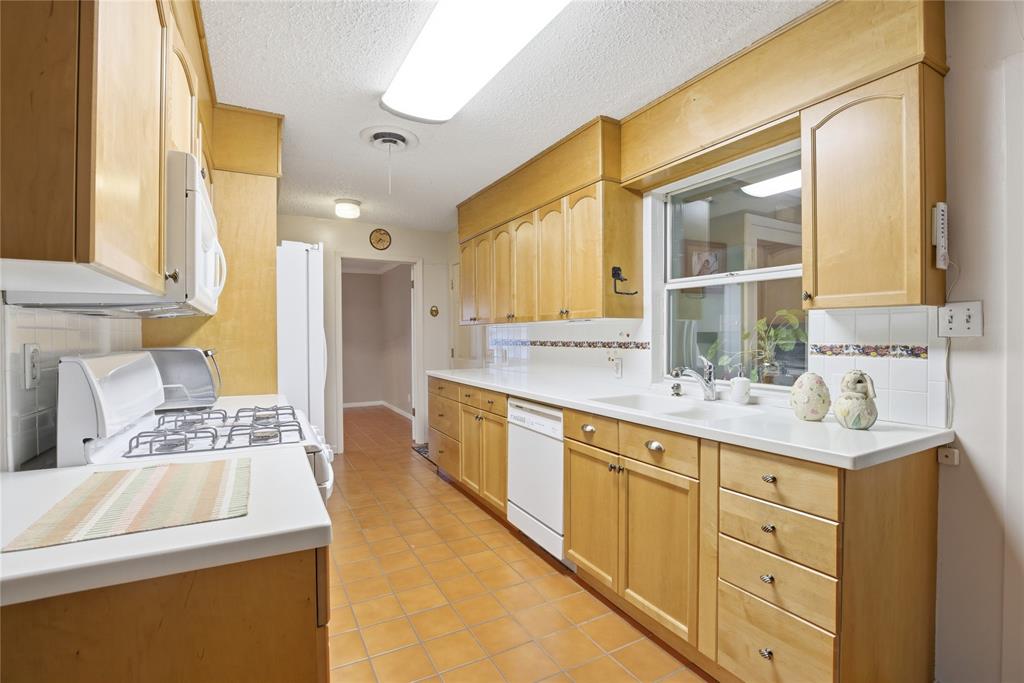
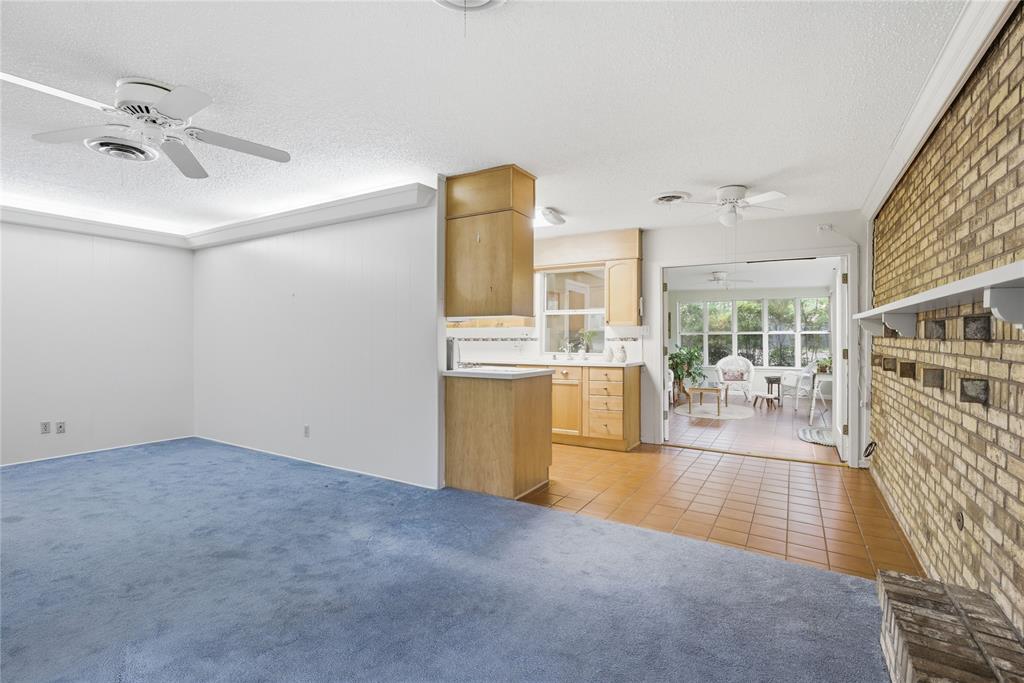
Original Allandale homes are largely untouched examples of the neighborhood’s mid-century ranch-style housing stock — generally with the original floor plan, finishes, and systems still in place, though some may have had incremental updates over the years. These homes typically run approximately $500,000 to $800,000, though the price depends on the size of the home, lot size, condition, location within Allandale, and whether individual components have been updated over time. Buyers drawn to original Allandale homes are usually looking for the most accessible entry point into the neighborhood, a project they can update to their own taste, or a larger lot in a central location where a future remodel or addition is part of the plan.
Partially or Fully Remodeled Allandale Homes
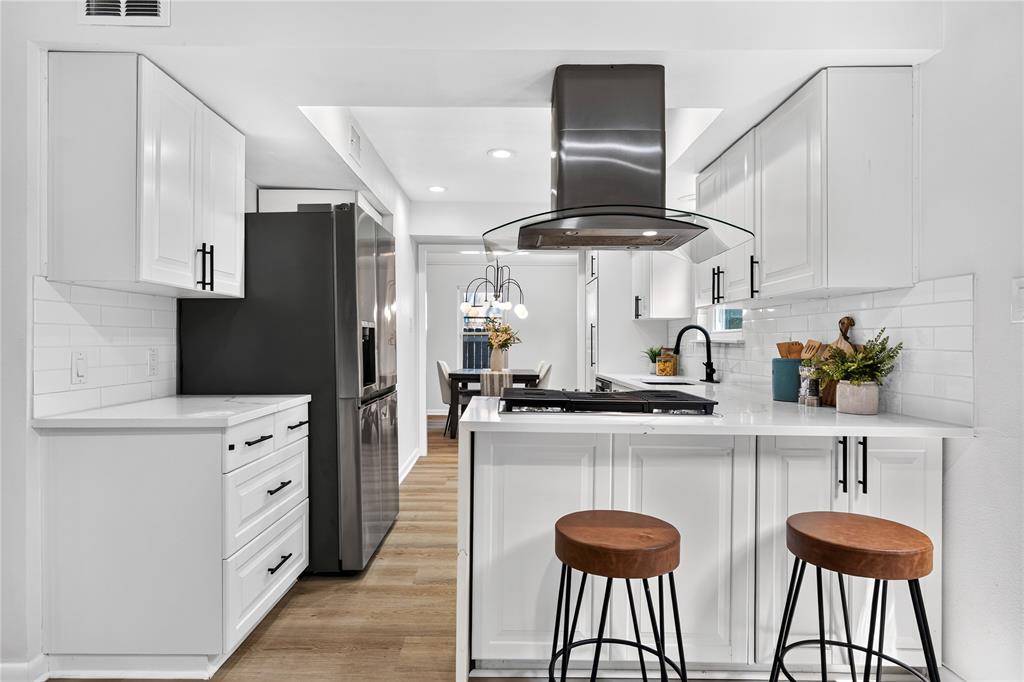
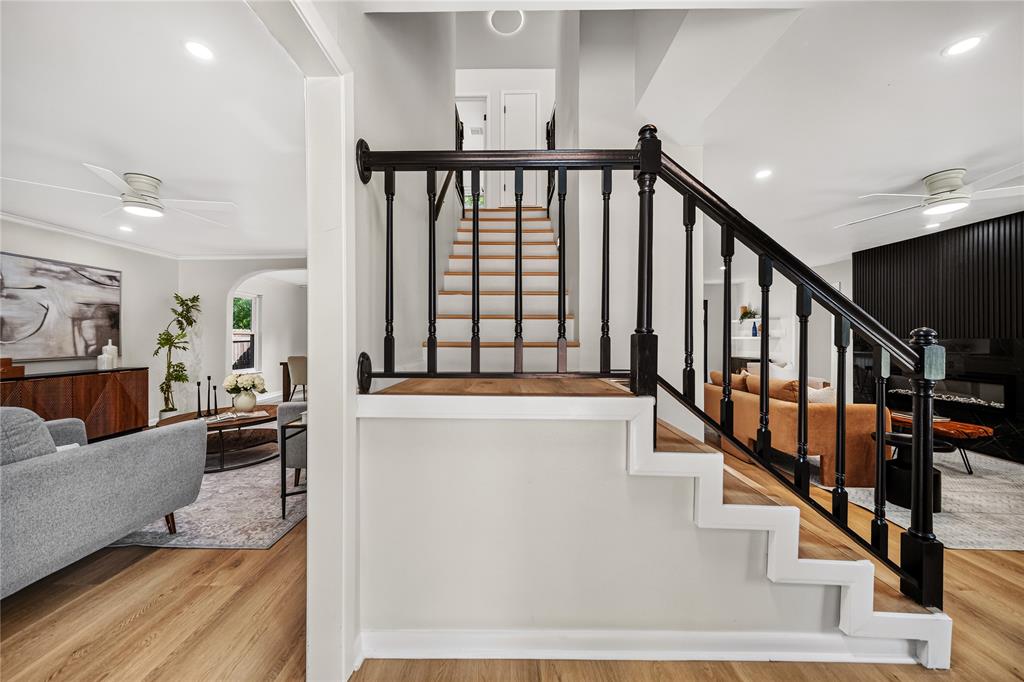
A large share of Allandale homes have been updated at some point, and how much work that involved varies widely — from a partial or older renovation to an extensive, high-quality remodel that touches nearly everything. Because of that range, remodeled homes typically run from approximately $700,000 up to $1.2M to $1.5M, with partially or lightly updated homes generally landing toward the lower-to-middle part of that range and more extensive, higher-quality remodels reaching the top. Exactly where a given home falls depends on the extent and quality of the remodel, when it was completed, square footage, lot size, floor plan, location, and overall condition. Buyers who choose a remodeled Allandale home are usually after the neighborhood’s central location and larger lots without taking on a renovation themselves.
New Construction in Allandale
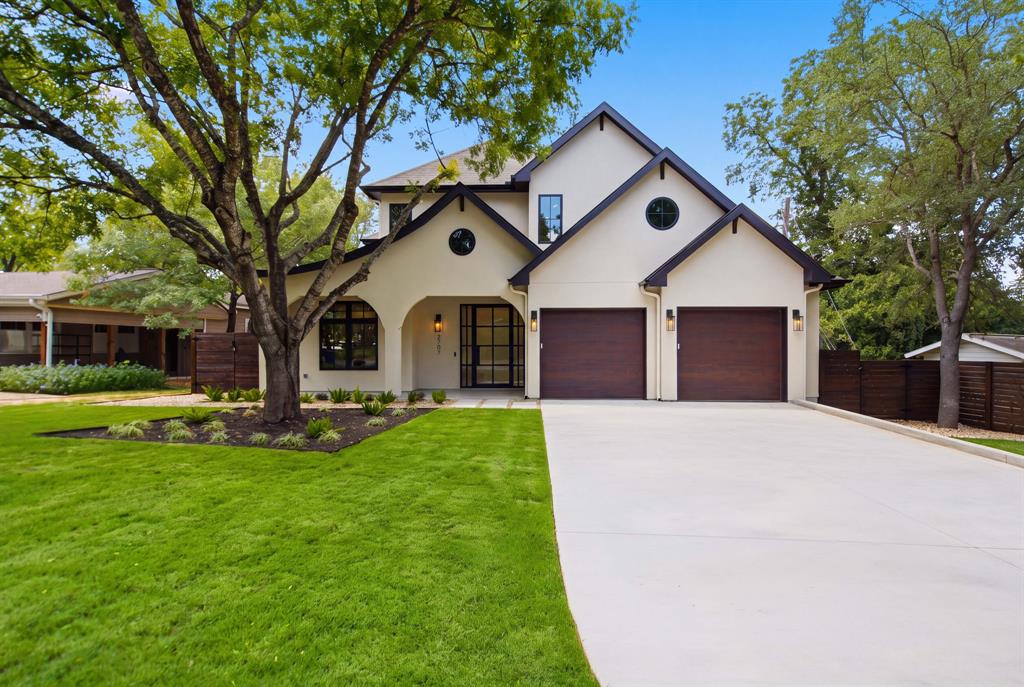
In some cases, an older Allandale home has been removed and the lot redeveloped with an entirely new home built to current tastes, layouts, and systems. New construction in Allandale generally runs from approximately $1.5M to $3M. Builders who have been active in this kind of Central Austin infill work include Paradisa Homes, Nalle Custom Homes, and Rivendale Homes, along with other boutique builders working in the neighborhood — these are examples, not a complete list of everyone building in Allandale. Buyers interested in new construction are typically looking for a modern floor plan and finishes with lower near-term maintenance, while still wanting Allandale’s central location and mature tree canopy.
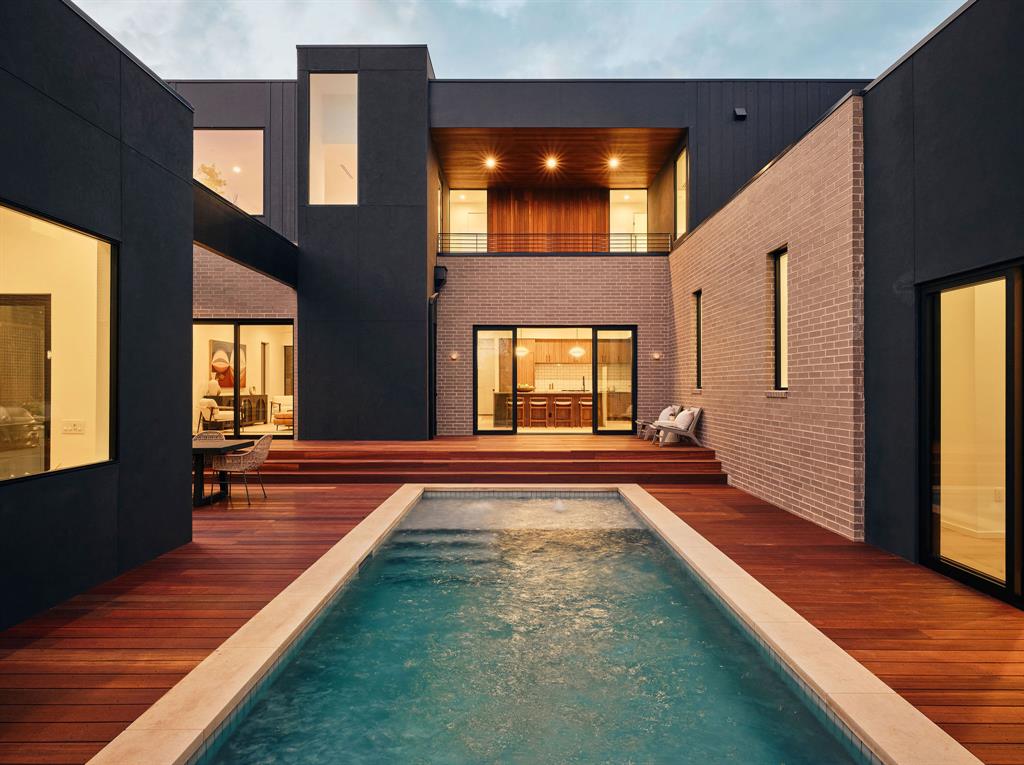
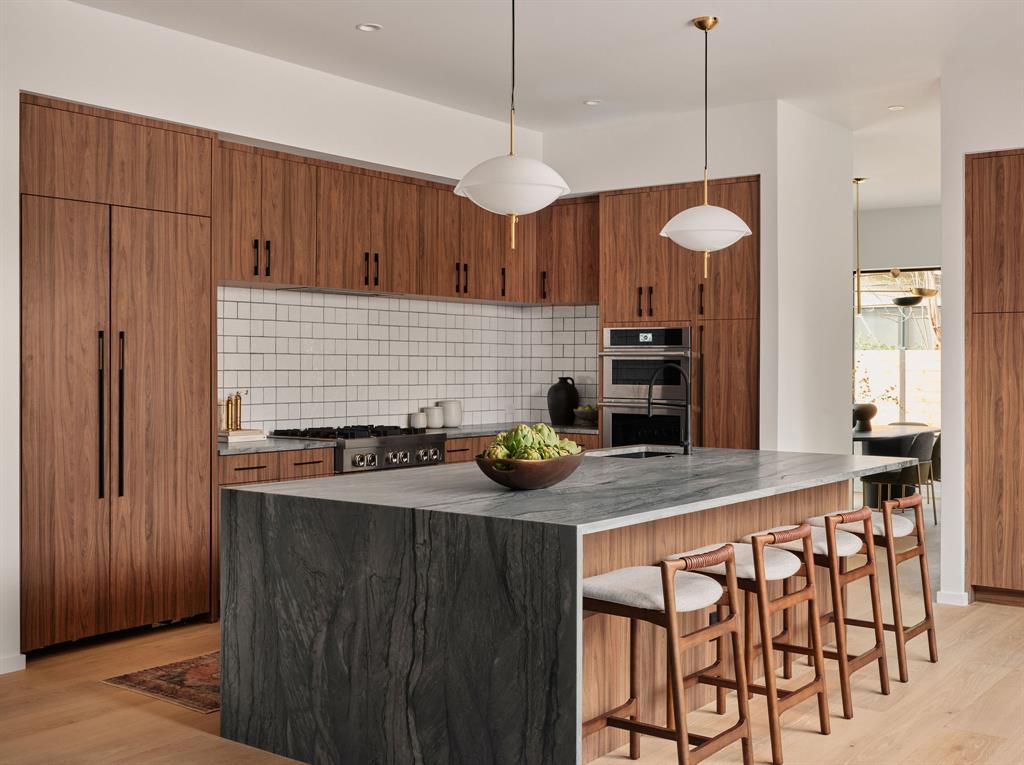
There isn’t just one way to buy into Allandale. Whether you’re looking for an original home you can make your own, a remodeled home that’s already move-in ready, or new construction built from the ground up, the right fit comes down to your budget, your timeline, and how much of the work you want to take on yourself. These price ranges are approximate, based on our experience working in this neighborhood, not fixed minimums or maximums — actual prices depend on the specific home and current market conditions. We’re happy to walk you through what’s currently available in each category and help you weigh the tradeoffs for your situation.
Parks, Trails and Outdoor Recreation
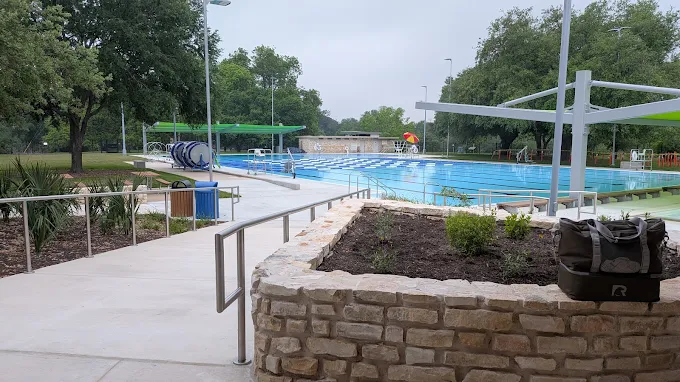
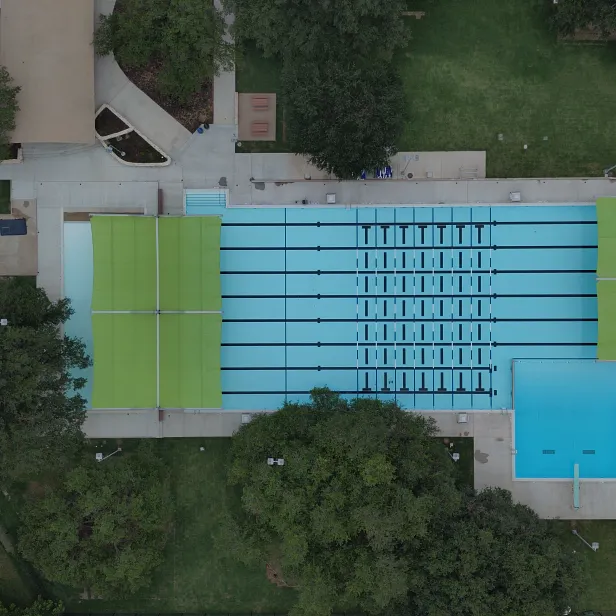
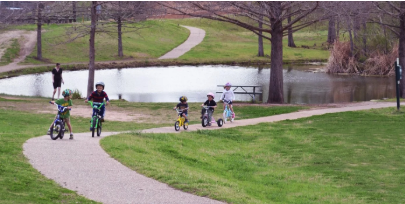
The anchor park for the neighborhood is Beverly S. Sheffield Northwest District Park, a roughly 31-acre park the City of Austin acquired in 1955. It includes ball fields, tennis and basketball courts, a hiking trail along Shoal Creek, and the Sheffield Northwest municipal pool, which just came back online in April 2026 after a full renovation — new 50-meter lap pool, a zero-entry toddler pool, shade structures, and rebuilt bathhouses. The park has also been going through a longer-term vision plan (approved by the Austin Parks Board in 2022) covering playscapes, trail and pond work, and additional courts.
Shoal Creek runs through the neighborhood as well, which is part of why the area feels greener and shadier than a lot of Central Austin.
Schools
Homes in Allandale are zoned to Austin ISD. The schools most commonly associated with the neighborhood are Gullett Elementary, Lamar Middle School, and McCallum High School, though because Allandale is a large neighborhood spanning multiple ZIP codes, exact attendance zones can vary by street and are set by Austin ISD, which does periodically adjust boundaries. If schools are a priority for your search, we’d rather confirm the zoning for a specific address through Austin ISD’s own school finder than give you a number that might be out of date by the time you read this — happy to help you check any home you’re considering.



Restaurants, Shopping and Nearby Amenities
Burnet Road, which forms Allandale’s eastern edge, is the neighborhood’s main commercial corridor, and the H-E-B at 5808 Burnet Road (expanded and remodeled in 2012) has been a neighborhood fixture for years. Burnet Road also connects Allandale to the broader stretch of restaurants, coffee shops, and small businesses that run along the Burnet corridor toward Brentwood and Crestview.
The old Northcross Mall site, at the north end of the neighborhood, is one of the more interesting local stories: the mall (opened 1975) closed and was redeveloped, and a Neighborhood Walmart opened there in 2010 after a scaled-back proposal following community input — a good example of how involved Allandale residents tend to be in what happens in their neighborhood.
What Living in Allandale Is Like
Allandale reads as a quiet, tree-covered, single-family neighborhood, most of it built out with one-story homes on lots that are noticeably larger than what you’ll find in newer parts of Austin. It’s not a walkable-to-everything neighborhood the way Downtown or South Congress are, but plenty of residents walk or bike to a neighborhood restaurant, a coffee shop along Burnet Road, or one of the parks, and the H-E-B on Burnet Road has anchored the area for decades.
It’s also a neighborhood that pays attention to itself. The Allandale Neighborhood Association is genuinely active, and the annual Allandale July 4th Parade — a neighborhood tradition going back to 1960 — is the kind of thing that tells you people plan to stay a while.
Character and History
Allandale’s history goes back to an 1841 Republic of Texas land grant to George W. Davis, whose family cemetery (Davis Cemetery, dedicated as a historic cemetery in 2000) still sits within the neighborhood. The Allandale most people recognize today started taking shape after World War II: developer W. Murray Graham began platting the original sections in 1946, Allandale Oaks followed in 1951, and Allandale West was developed by W. H. Bullard in 1958. That puts the bulk of the neighborhood’s original housing stock in the late 1940s through the 1960s.
Like the rest of the Shoal Creek watershed, Allandale was affected by Austin’s Memorial Day Flood of 1981, one of the most significant flood events in the city’s history. In the years afterward, Northwest District Park was redesigned to double as flood detention for the watershed — a design that was reported to have worked as intended during a microburst storm in May 2025.
Homes and Architectural Styles
Most Allandale homes are ranch-style and mid-century single-story houses built from the late 1940s through the 1960s, generally on larger lots with mature, established trees. Because the neighborhood is centrally located and the lots are bigger than what’s typical in newer Austin subdivisions, it’s common to see original homes sitting next to homes that have been remodeled, added onto, or in some cases rebuilt. That mix of untouched mid-century houses, thoughtful remodels, and newer infill is one of the more distinctive things about the neighborhood’s streetscape.
If you’re comparing home values, be careful about where the number is coming from. Automated estimates (like Zillow’s) and actual closed-sale medians (like Redfin’s) can differ by a meaningful margin because they’re measuring different things, and both move with the market. We can pull current, address-specific numbers for you rather than relying on a site-wide average.
Access to Central Austin and Other Areas
Allandale’s location is one of its strongest selling points. MoPac runs along the western edge, giving direct access north toward The Domain and south toward Downtown Austin, and Burnet Road connects north to US 183. RM 2222 connects toward Interstate 35. Capital Metro also runs several bus routes through the area, including MetroRapid service on Burnet Road.
We won’t give you a specific commute-time number here, because it depends entirely on time of day and exactly where you’re headed — but the short version is that Allandale’s location gives you real flexibility, without being locked into one route.
Buying a Home in Allandale
Allandale draws a mix of buyers: people who want to stay close to Central Austin without living Downtown, buyers who want more land and older character than newer subdivisions offer, and buyers planning a remodel or addition on a larger lot in a location that’s hard to replace. Because so much of the housing stock is original 1940s-60s construction, a good inspection matters more here than it does in a newer neighborhood — more on that below.
If you’re relocating to Austin and comparing Central Austin neighborhoods, our guide to buying a home in Austin walks through the process end to end, and our Central Austin neighborhoods guide can help you compare Allandale against nearby areas like Brentwood, Crestview, and Northwest Hills.
Selling a Home in Allandale
Allandale’s combination of central location, larger lots, and steady demand from both owner-occupants and buyers looking to remodel or rebuild tends to work in a seller’s favor, but pricing an older home correctly takes some care — condition, whether the home has been updated, and lot size can all move the number more than they would in a neighborhood of newer, more uniform housing. We’d rather walk you through an honest, current valuation than quote you a site-wide average. Our guide to selling a home in Austin covers the full process if you’re starting to think it through.
Real Estate Considerations for Older Central Austin Homes
Because most Allandale homes date to the late 1940s through the 1960s, there are a few things worth planning for that don’t come up as often with newer construction:
- Original plumbing (often galvanized steel) can be corroded or reduced in flow after this many decades, and older electrical panels or wiring may not meet current code or handle modern electrical loads.
- Foundation type varies by home and sub-decade — some are pier-and-beam, some are slab — and Central Texas’s expansive clay soils mean foundations in this area generally benefit from periodic monitoring, regardless of neighborhood.
- A number of Allandale homes have been remodeled, added onto, or rebuilt, so it’s worth understanding exactly what’s original and what’s been updated, and whether any work was permitted.
None of this means an older Allandale home is a bad investment — it usually just means a thorough inspection and the right questions upfront save you from surprises later. We’d rather flag this honestly than let you find out after closing.
Nearby Neighborhoods and How Allandale Relates to Them
Allandale sits right in the middle of a cluster of well-known Central Austin neighborhoods. Brentwood and Crestview are just across Burnet Road to the east, Rosedale is across 45th Street to the south, North Shoal Creek is across West Anderson Lane to the north, and Northwest Hills is across MoPac to the west. If you’re comparing Allandale to any of these, the biggest differences usually come down to lot size, housing age, and exactly how close you want to be to the Burnet Road corridor versus MoPac. We’re happy to walk through those differences with you directly — see our Areas We Serve page for the neighborhoods we work in across Austin.
Local Insight from the Proctor Team
Chad and Gaby have lived and worked in Allandale, in Central Austin, for more than 20 years. Allandale is exactly the kind of neighborhood that made us want to specialize in Central Austin: mature trees, established lots, and homes with enough history that each one seems to have its own story.
This neighborhood is also personal to us. We’ve called Allandale home, and our kids attended the neighborhood schools — Gullett Elementary, Lamar Middle School, and McCallum High School. Over the years, we’ve experienced Allandale not only as residents and parents, but also as Realtors and investors. We’ve invested in properties in the area, completed renovation and flip projects, and helped clients buy, sell, and downsize throughout the neighborhood’s very different types of homes.
That combination of personal and professional experience gives us a perspective on Allandale that goes beyond market statistics. We understand the differences from street to street, the potential and challenges that can come with older Central Austin homes, and why buyers continue to be drawn to this neighborhood.
You can read more about our background on our About page.
Frequently Asked Questions About Allandale
Where is Allandale located in Austin?
Allandale is a Central Austin neighborhood generally bounded by West Anderson Lane to the north, 45th Street to the south, Burnet Road to the east, and MoPac Expressway (Loop 1) to the west. It borders Northwest Hills, North Shoal Creek, Brentwood, Crestview, and Rosedale.
What kind of homes will I find in Allandale?
Most homes in Allandale are single-story ranch-style or mid-century houses built from the late 1940s through the 1960s, typically on larger lots with mature trees. You’ll also find remodeled homes, additions, and some newer infill construction mixed in throughout the neighborhood.
What schools serve the Allandale area?
Allandale is zoned to Austin ISD, and the schools most commonly associated with the neighborhood include Gullett Elementary, Lamar Middle School, and McCallum High School. Because Allandale spans multiple ZIP codes, exact attendance zones can vary by address and are set by Austin ISD, so it’s worth confirming zoning for any specific home you’re considering.
Is Allandale a walkable neighborhood?
Allandale isn’t as walkable as Downtown Austin or South Congress, but many residents walk or bike to nearby restaurants, coffee shops, and parks along Burnet Road, and the neighborhood’s parks and quiet streets make it comfortable for walking overall.
What should I know before buying an older home in Allandale?
Because most Allandale homes date to the 1940s-60s, it’s worth budgeting for a thorough inspection that looks closely at plumbing, electrical systems, and foundation, since original materials from that era may need updating. It’s also worth confirming whether any past remodels or additions were permitted.
Is Allandale a good area for real estate investment or rental property?
Allandale’s central location, larger lots, and steady demand from both owner-occupants and buyers looking to remodel make it a neighborhood investors continue to watch, though, as with any investment, the right strategy depends on your goals and budget. We can walk you through current opportunities in the area if you’re considering it.